
As the vibrant colors of autumn fade and the freezing temperatures set in, managing Seasonal Affective Disorder in Winnipeg becomes a pressing reality for countless residents. Living in a beautiful but undeniably frigid northern climate requires an incredible amount of mental and physical resilience. However, when the sun begins setting by late afternoon and the biting wind keeps us huddled indoors, it is entirely normal to feel a shift in your mood. For many people, this seasonal shift goes far beyond just missing the summer heat; it transforms into a heavy, debilitating emotional fog that makes getting out of bed feel nearly impossible.
At Oakville Wellness Center, we know firsthand just how exhausting a long, dark Manitoba winter can be. The lack of natural sunlight and the stark decrease in outdoor social activities can significantly drain your emotional reserves. If you are dreading the upcoming winter or are currently stuck in the thick of it, you do not have to just grit your teeth and suffer until May. In this guide, we will break down the science behind this condition, explore why our local climate triggers it, and share highly effective ways to protect your mental health during the darkest months of the year.
Understanding Seasonal Affective Disorder
Before you can begin effectively managing Seasonal Affective Disorder in Winnipeg, it is deeply important to understand exactly what you are experiencing. Seasonal Affective Disorder (SAD) is a formally recognized, clinical subtype of Major Depression. Unlike general depression, SAD follows a highly predictable, cyclical pattern. The overwhelming majority of individuals with SAD experience the onset of their symptoms in the late fall, peaking in the dead of winter, and naturally lifting as the days grow longer in the spring.
The primary culprit behind SAD is a severe lack of natural sunlight. When your eyes do not absorb enough bright daylight, your brain’s delicate chemistry is disrupted. Specifically, a lack of sunlight causes a drop in serotonin (the neurotransmitter responsible for feelings of happiness and well-being) and triggers an overproduction of melatonin (the hormone that regulates your sleep cycle). This massive chemical imbalance leaves you feeling simultaneously exhausted, lethargic, and profoundly sad.
SAD vs. The Common Winter Blues
It is incredibly common to feel a little sluggish when the snow starts falling, but SAD is much more severe than the standard “winter blues.” If you are dealing with clinical SAD, the symptoms will actively interfere with your ability to function at work, maintain your relationships, and care for yourself. Common symptoms include:
- Extreme Hypersomnia: Sleeping for 10 to 12 hours a day and still feeling completely exhausted when your alarm goes off.
- Carbohydrate Cravings: Experiencing intense, daily cravings for heavy comfort foods, pasta, and sweets, which often leads to rapid seasonal weight gain.
- Social Hibernation: Actively withdrawing from your friends and avoiding social events that you typically enjoy.
- Heavy Limbs: A physical sensation often described as “leaden paralysis,” where your arms and legs feel physically heavy and difficult to move.
- Cognitive Fog: Struggling deeply with focus and executive dysfunction. For those who already manage ADHD or a Specific Learning Disorder, this brain fog can make winter exceptionally challenging.
Why Our Climate Impacts Mental Health
It is no surprise that managing Seasonal Affective Disorder in Winnipeg is a widespread concern. Our geographical location means we experience incredibly short daylight hours during the winter solstice. When you combine the darkness with periods of extreme, hazardous cold that force us to stay indoors, our bodies are completely deprived of the environmental cues they need to stay energized.
This forced isolation can also aggravate other existing mental health struggles. Being cooped up inside for weeks on end can easily trigger a spike in Anxiety or feelings of claustrophobia. For individuals working through complex trauma, such as PTSD or navigating an Attachment Disorder, the lack of regular, meaningful social connection during the winter can amplify feelings of loneliness and emotional distress.
Holistic Ways to Manage SAD
The highly encouraging news is that SAD is a highly responsive and treatable condition. You do not have to accept feeling miserable for five months out of the year. By actively incorporating a few strategic interventions, you can dramatically improve your quality of life.
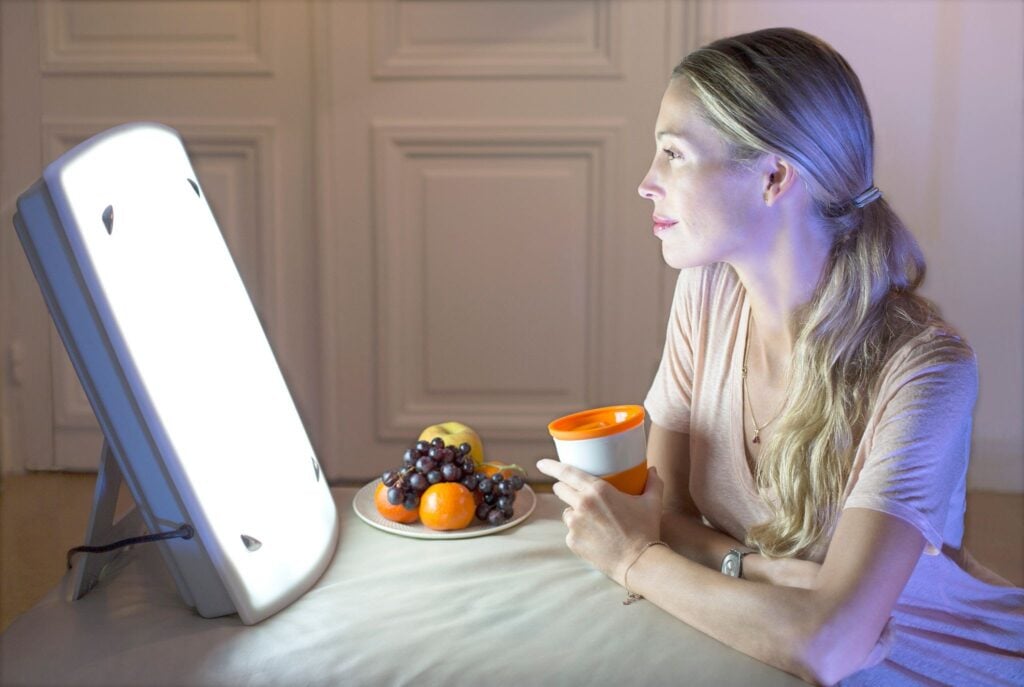
1. Invest in a Bright Light Therapy Box
Light therapy is widely considered the gold-standard at-home treatment for SAD. A specialized light box emits 10,000 lux of bright, white light, mimicking natural outdoor sunshine. Sitting in front of this lamp for just 30 minutes every morning while you eat breakfast or read can successfully suppress melatonin production and jump-start your serotonin levels.
2. Cognitive Behavioral Therapy (CBT)
Therapy is incredibly effective for combating the negative mindset that accompanies the winter months. A skilled therapist will help you identify negative thought loops—such as “I hate the cold, I’m just going to stay in bed all weekend”—and gently reframe them. CBT also utilizes “behavioral activation,” helping you schedule small, enjoyable activities to break the cycle of severe winter isolation.
3. Bundle Up and Get Outside
While the freezing wind chill can be intimidating, getting outside during peak daylight hours is vital. Even on a cloudy day, the natural light outdoors is significantly brighter than the artificial light inside your home or office. A brisk 15-minute walk on your lunch break can provide a massive boost to your mood and energy levels.

Finding Warmth and Support at Oakville Wellness Center
If you have tried adjusting your lifestyle but still feel overwhelmed by the winter darkness, it is time to seek professional, compassionate help. Reaching out for support is not a sign of weakness; it is a vital step toward reclaiming your joy and energy. Professional counselling in Winnipeg provides you with a safe, warm, and deeply validating space to process your feelings and develop a robust winter wellness plan.
Because maternal and familial mental health affects the entire home, Oakville Wellness Center takes a completely holistic approach. If the stress of the long winter is impacting your children’s routine, we can seamlessly connect you with our dedicated Speech Therapist. We offer access to a wide variety of highly skilled Therapists who specialize in treating the whole person, ensuring that your entire household finds a sustainable, happy rhythm despite the snow outside.
Do Not Wait for Spring to Feel Better
Effectively managing Seasonal Affective Disorder in Winnipeg requires a proactive approach, but with the right tools and compassionate guidance, you can absolutely do more than just survive the winter—you can learn to find moments of deep peace and coziness during the colder months.
If you are ready to explore effective, lasting solutions for your seasonal depression, the dedicated clinicians at Oakville Wellness Center are here to guide you. We encourage you to read more of our helpful Articles, review our FAQ page, or browse our Payments section for billing information.
You deeply deserve to feel energized and joyful year-round. Contact Oakville Wellness Center today to schedule your initial consultation. Let our expert clinicians provide the dedicated mental health support you need to navigate this winter with hope and resilience.
